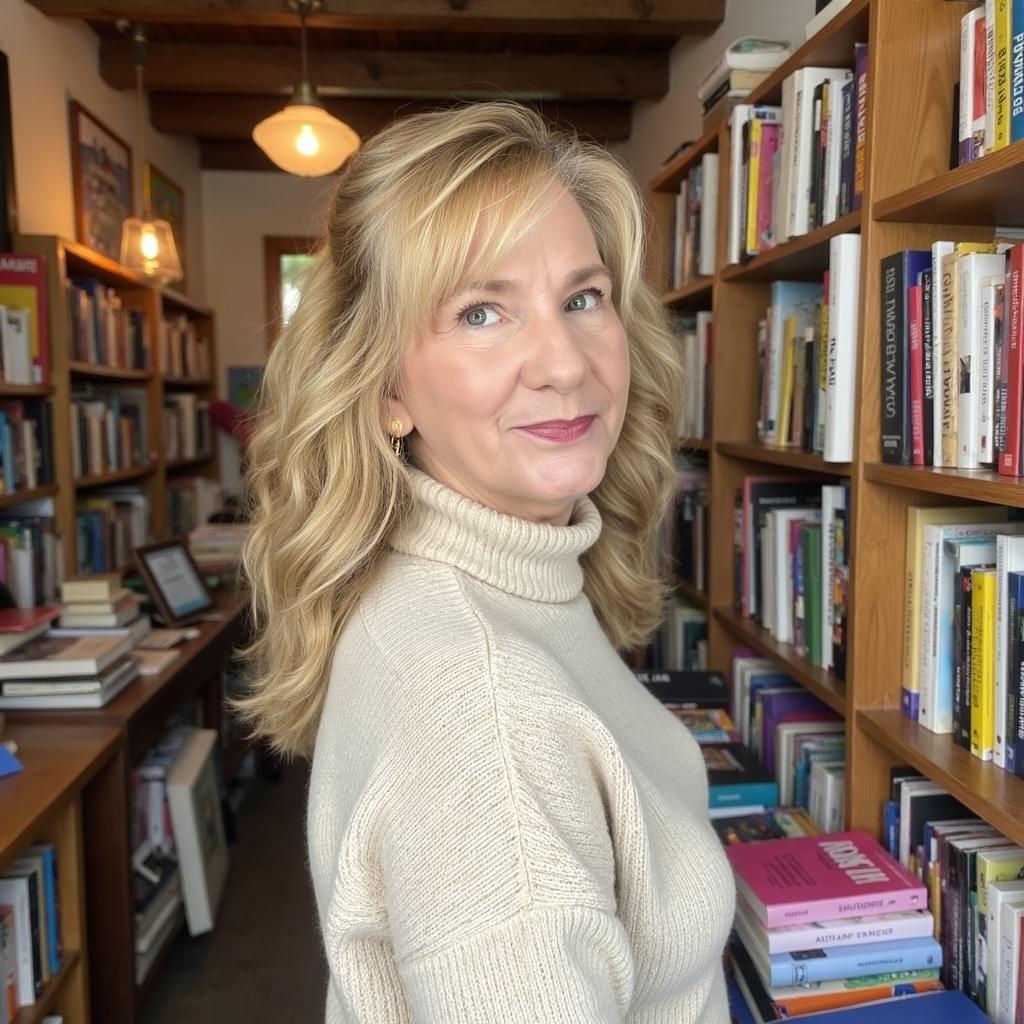

Lori Jakiela
Time Travel, Path Finding, and The Fine Art of Paying Attention
A famous story about Spanish poet Antonio Machado goes like this:
A young poet appears on the stoop of Machado’s house. The young poet knocks. Again. Again. Machado finally opens the door. The young poet says, “Dear Machado, how can I become a great poet like you?” Machado, annoyed, probably mid-nap, snaps: “Ponga atencion!” Pay attention. Then slams the door shut.
To pay attention, Machado meant, is all you need to be a writer in the world.
How simple is that? And how difficult.
What writers need to do now: pay attention, despite all the distractions around us every day. Phones. Emails. The news. Obligations. Stress. Distractions and discontents of every kind.
Dear Machado knew other things too.
Hoy es siempre todavia, Machado wrote.
Today is always still. Time, Machado knew, is meaningless to writers. When we think about the phrase, “be here now,” it means more than it seems. Writers carry within us every version of ourselves we ever were and are and will be, and we draw from those selves in ways that are anything but linear. The past is often our present, the future is our past, the present is everything, and we move through the moments of our lives like time travelers on the page.
Today is always. Still.
Travel – actual travel – can bring out the time travelers in us in unique and powerful ways. When we expose our writer-selves to new experiences, we become our child-selves again–seeing fresh, experiencing the world with all of our senses, bridging maybe decades of experiences and bringing them together to touch back down, refreshed, re-experienced, renewed.
Here, in the land of Machado, we will focus on weaving together the power of time travel and the fine art of paying attention. Using writing prompts designed to shake loose memories and forge new paths and connections, we will walk and write together–exploring our external world as we work to find meaning through our internal landscapes.
“Traveler,” Machado tells us, “there is no path. The paths are made by walking.”
Each day, we’ll come together in a supportive, nurturing workshop environment to share what we’ve written and show one another the paths we make as we go.
I can’t wait to explore and write with you!
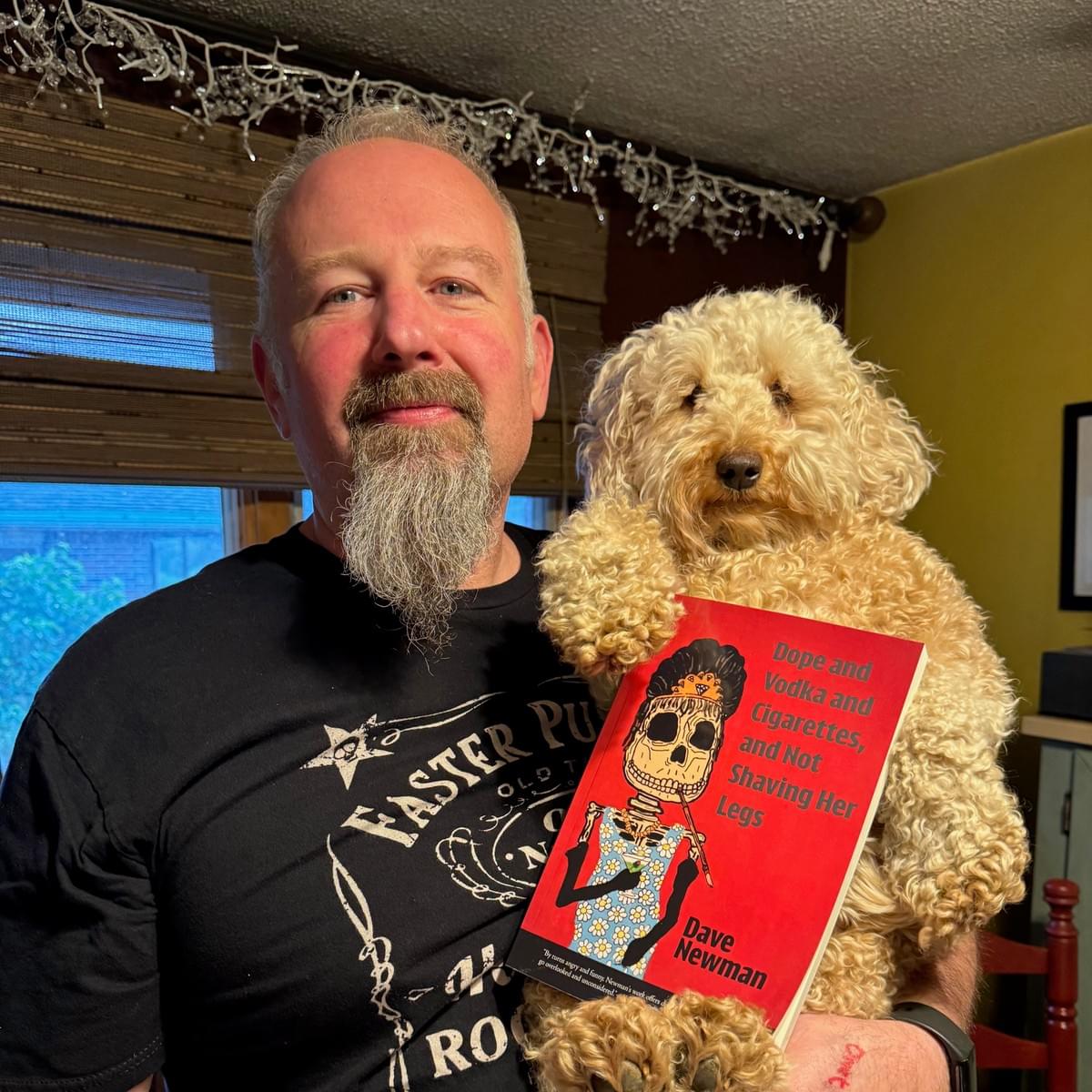
Dave Newman
Novel in Miniature
Using the elements of fiction to write a tiny novel and shake off the fears of novel writing.
Novel writing is daunting. Lots of folks start novels then don’t finish them, not because they’re bad writers or lack dedication but because most of us don’t have the time. Southern novelist Harry Crews said, “If you wait until you got time to write a novel…you will never do it. World wants you to go to the zoo and eat cotton candy, preferably seven days a week.”
The goal of this workshop is to show how a novel works by going over a few terms then applying them to your material. You’ll bang out a tiny novel by breaking down each fictional element—character, setting, etc.—then putting the elements to work in the world you plan to create.
Want to write a thriller? Bring the guns and kidnapping.
Want to write a literary novel? Bring the dishes to smash in the kitchen.
You already know enough to write a novel. Writing small will make that knowledge useful. Then, later, on your own, you can apply the same techniques to a larger project.
Who might like this workshop:
Anyone interested in novels or storytelling in general.
The workshop will offer:
· An introduction to the art of novel writing
· A practical way to use the elements of fiction
· A discussion of plot and narrative
· Ways to fictionalize your own life
· A discussion of publishing
Participants will write together and will be encouraged to share their work in a supportive workshop setting.
Beth Alvarado
In Praise of Not-Knowing
The mind is a magpie, constantly attracted to bright, shiny objects. Glimmers, Pam Houston calls them. Images, memories, lines of dialogue, half-forgotten dreams—the sticky stuff—photographs and paintings, films and fragments of what we’ve read. The traditional essay is rigid in form, but essays in our time have become something quite different: an artful amalgam of history, fact, memoir, flights of imagination.
How to bring together these disparate elements into a thing of beauty? First: trust your unconscious. The essay, as many essayists have said, is the mind on the page. These glimmers, old and new, have fastened themselves for a reason. At some point, you will figure out why and how they might cohere, but you don’t have to know that now. In fact, it’s usually better if you don’t know. Not-knowing, according to Donald Barthelme, is “crucial to art, is what permits art to be made.” He goes on to say that most writers are “baffled” by how to proceed when starting something new. “At best there’s a slender intuition, not much greater than an itch.”
In our time together, I’ll give you exercises designed to honor not-knowing and so to take you in unanticipated directions. You might find yourself writing fiction or poetry or some hybrid creature that does not yet have a species or a zoo to belong to. We will share these in a supportive workshop, focusing on praise and possibilities. Each piece we create, no matter the genre or lack thereof—I can almost guarantee this—will contain within it the blueprint for a longer piece. We will talk about this, too, in workshop and individually.
Susan Zakin
The Tools: Reading Like a Writer
In the 1970s, New Journalism writers like Tom Wolfe and Hunter S. Thompson used the techniques of fiction (and the occasional primal scream) to tell the stories of a society in turmoil. When the New Journalism fell out of fashion, a wall went up between journalism and literary writing. American fiction became insular, relentlessly focused on the personal, often middle-class experiences of those people who could afford to write. History fell out of the equation.
The world is in turmoil again. Apart from questions of a writer’s responsibility, why waste so much dramatic material? We have an enormous range of literary techniques to draw from, not just traditional fictional techniques of scene, character, dialogue, and description, but also nonfiction forms that have evolved more recently: the lyric essay, the braided essay, all the varieties of memoir. And we have the whole world to draw from as material.
The example we’ll be using is the novel Swimming to Ithaca by Simon Mawer, a writer who grew up in "the Empire" and drew on his childhood experiences on Cyprus at a fraught time in the island's history. We’ll look specifically at Mawer’s technique on the sentence level: the art of writing dialogue that needs no nametag because the character’s voice is so distinct, the use of description to move the story’s theme and plot forward, and Mawer’s elegant selection of the telling detail.
We'll also examine the novel’s structure, noticing how Mawer seamlessly melds character and historical circumstances. It’s incredibly difficult to move around in time and switch point of view. How does Mawer use these techniques to craft a powerful story? The Quran states: "It is written." Heraclitus told us that character is destiny. I would argue that it is the combination of character and history that determines our fates.
The discussion will take place in the afternoons, three times during the workshop week, attended by everyone, so we can gain a variety of insights. Our hope is that as you write throughout the week, you will be able to start to use these techniques in your writing, whether fiction or non-fiction, even poetry.